
Barbershop and Salon Startup Funding With Bad Credit
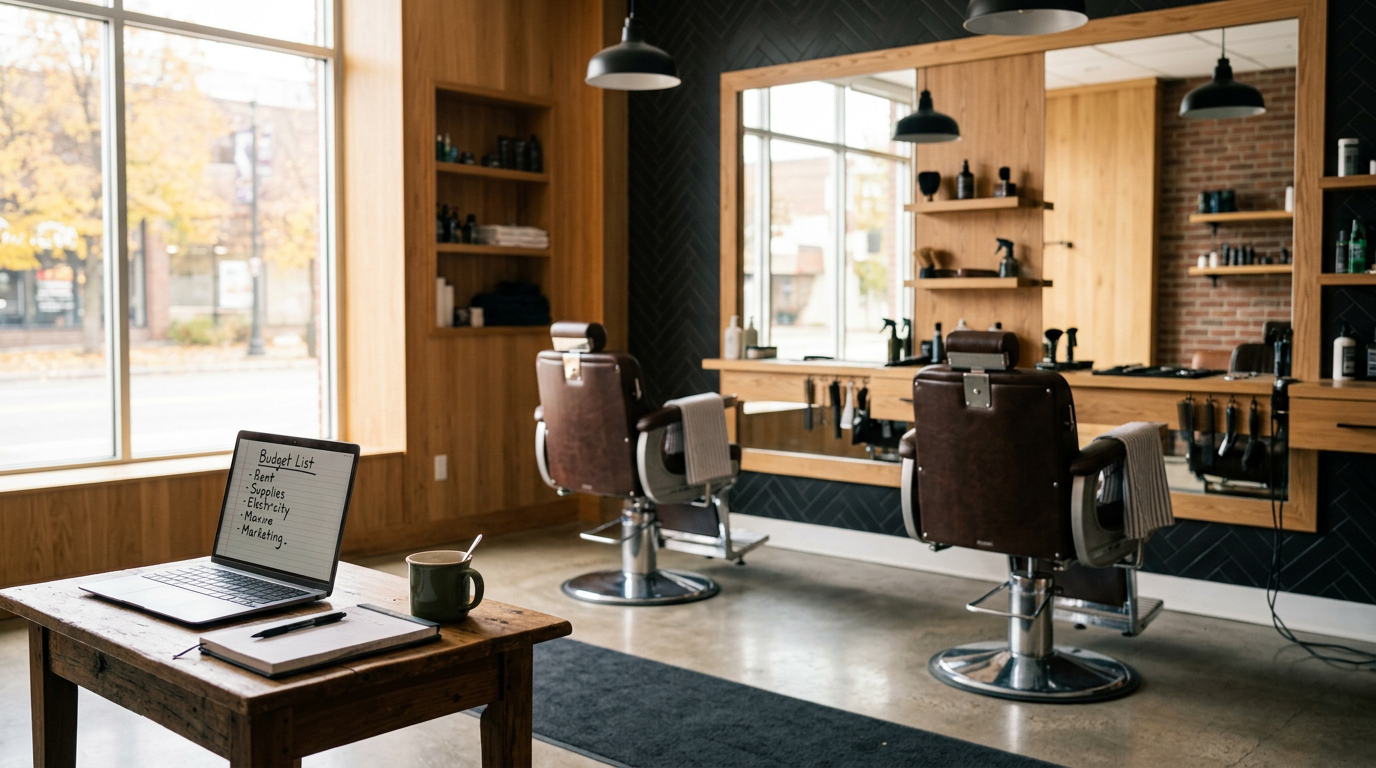
A barbershop or salon is a people business. Clients come back every few weeks, pay at the chair, and tell their friends. That repeat revenue is exactly what lenders like to see. The challenge is getting the doors open when your credit is rough and the buildout costs real money.
This guide covers what a shop actually costs, the low-cost ways to start, and which funding options fit bad credit. It is general information, not financial advice, and every lender sets its own rules.
Want a quick read on your options? Five questions, no credit pull.
Check my funding optionsWhat a shop actually costs
A full shop means chairs, wash stations, mirrors, plumbing for the shampoo area, flooring and paint, signage, and licenses. Then there is the lease itself: first month, security deposit, and often several months of rent before the client book fills up. Costs vary widely by city and by how finished the space already is, so price your own list rather than trusting anyone else's number.
That total surprises a lot of first-time owners. Knowing the real number is what keeps your funding ask honest.
Booth rental: the near-zero-funding path
Many barbers and stylists never open a full shop at first. Booth rental means renting a chair inside an existing shop for a weekly or monthly fee. You bring your tools and your clients, and skip the buildout, the lease, and most of the startup cost.
If funding is the obstacle, booth rental is often the smartest move. You earn, build a book of regulars, and save toward your own shop with revenue instead of debt.
Funding options for a full shop
Microloans and CDFIs
Nonprofit microlenders fund small startups that banks pass on. SBA microloans go up to $50,000 through community lenders, which covers many modest shop buildouts. Expect questions about your client base and your plan.
Equipment financing for chairs and stations
Chairs, wash stations, and dryers hold resale value, which makes them decent collateral. Equipment financing uses the gear itself to secure the loan, and that can matter more to a lender than your credit score. For more on borrowing with rough credit, see Startup Business Loans With Bad Credit.
Credit cards for the small stuff
Supplies, capes, product inventory, and minor fixtures can go on a business credit card if you can pay it down from early revenue. Carrying a balance gets expensive, so treat it as a bridge, not a foundation.
Online lenders once chairs are full
After a few months of steady bookings, online lenders decide mostly on bank deposits. Regular daily deposits from a busy shop tell a strong story, even with past credit problems.
Why landlords want proof of funds
Commercial landlords usually ask for financial statements, and many want a personal guarantee on the lease. Some ask for several months of rent upfront from new businesses. Having your funding lined up before you sign keeps you from losing a deposit on a space you cannot afford to finish.
Build your book before you borrow
The strongest application a new shop owner can make is a waiting list of clients. Lenders fund revenue, not ideas. If you can, start with booth rental, fill your chair, keep records of your weekly income, and then borrow to open your own space with proof the demand exists.
Realistic steps before you apply
- Price the full buildout: equipment, construction, licenses, deposits, and three months of rent.
- Decide honestly between booth rental and a full shop based on what you can fund.
- Open a dedicated business bank account and run all income through it.
- Save client records and weekly income totals from booth rental work.
- Apply to microlenders and CDFIs first for startup amounts. Compare the total cost of any offer before signing.
Watch out for funding traps
Be cautious of "turnkey salon" packages that bundle a buildout, equipment, and branding for a large upfront fee with financing attached. Some are legitimate franchise systems with real disclosure documents, and some are just expensive starter kits. Read every contract, talk to owners who bought in, and never pay an upfront fee to anyone who guarantees loan approval.
The bottom line
Bad credit does not close the door on opening a shop, but it changes the path. Booth rental gets you earning with almost no funding, and equipment financing plus microloans cover the rest when you are ready for your own space. Build the client book first, then borrow against proof.
Related guides
This guide is general education, not financial, legal, or tax advice. AJV Ventures LLC is not a lender. Lender requirements vary, so confirm terms directly with any lender before you apply.