Equipment Financing for Startups in Their First Year
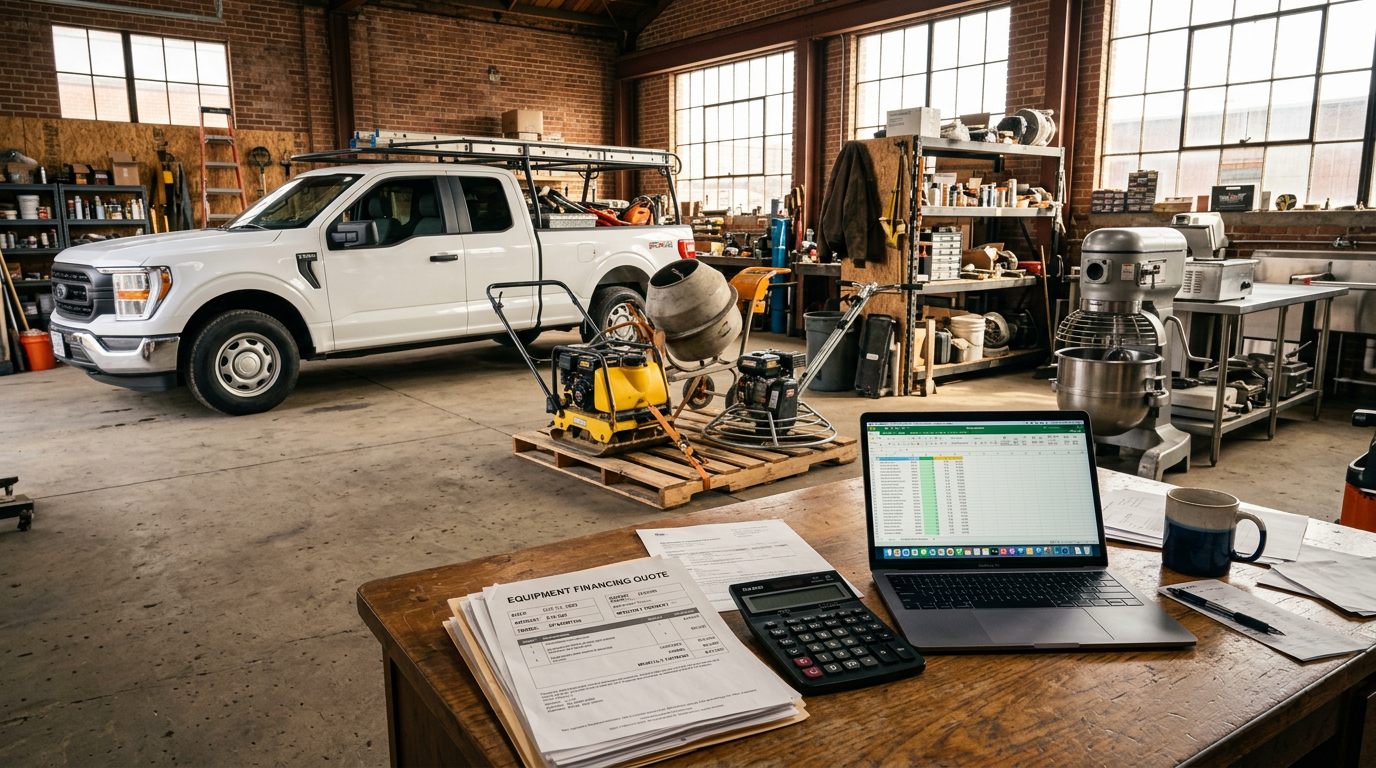
Of all the ways a new business can borrow, equipment financing is the friendliest to startups. The reason is simple: the equipment itself secures the loan. A lender financing an excavator worries less about your short track record because they can recover the excavator.
This guide explains how equipment financing works, what lenders check, and how to get funded in year one. It is general information, not financial advice, and every lender sets its own rules.
Want a quick read on your options? Five questions, no credit pull.
Check my funding optionsWhy it is the most startup-friendly loan type
Most business loans are unsecured promises backed by your credit and cash flow. Equipment financing is different. The lender holds a lien on the equipment, which cuts their risk and opens the door to borrowers with little history. That is why a six-month-old business can often finance a work truck while struggling to get any other loan. And because the equipment is the collateral, this can work even when you have nothing else to pledge, which is the whole point of Business Funding With No Collateral.
For trucks and transportation equipment specifically, the checks lenders run have their own quirks. Our companion site walks through how truck financing evaluations work, at canigettruckfinancing.com.
How it works
You pick the equipment, the lender pays the seller, and you repay over a term that usually matches the equipment's useful life. A down payment is common, often a percentage of the purchase price, and the equipment serves as collateral until the loan is paid off. Miss payments and the lender can repossess.
Loan vs. lease
A loan ends with you owning the equipment. A lease is closer to renting: lower payments, but you may not own it at the end unless the lease includes a buyout. Leases can make sense for equipment that goes obsolete fast, like technology. For equipment that holds value for years, a loan usually costs less overall. Read the buyout terms before signing any lease.
What lenders check even for startups
- Your personal credit: still the biggest factor for most equipment lenders
- The down payment: more down means less risk for the lender and often better terms for you
- The equipment's resale value: lenders prefer equipment with an active used market
- Your business basics: license, bank account, and proof the business is real
Time in business matters less here than for other loan types, which is exactly why startups lead with equipment financing.
Which equipment holds value
Lenders favor standard, widely-used equipment with active resale markets: trucks, trailers, standard construction machinery, commercial kitchen equipment. Specialized or custom-built equipment is harder to resell, so lenders discount its value and may ask for more down. If you are choosing between two options, the one with the stronger used market is the easier one to finance.
Watch out for leases with unclear buyout terms
Some leases bury the end-of-term options in fine print. Know before signing whether you can buy the equipment, at what price, and what happens if you return it. A dollar-buyout lease and a fair-market-value buyout are very different deals. If the paperwork is vague, ask for it in writing.
The bottom line
Equipment financing lets a first-year business borrow against what it is buying rather than against its history. Put down what you can, pick equipment with strong resale value, and read the buyout terms on any lease. It is the most realistic first loan most startups will get.
Related guides
This guide is general education, not financial, legal, or tax advice. AJV Ventures LLC is not a lender. Lender requirements vary, so confirm terms directly with any lender before you apply.