
Cleaning Business Startup Funding: Loans, Grants, and What Actually Works
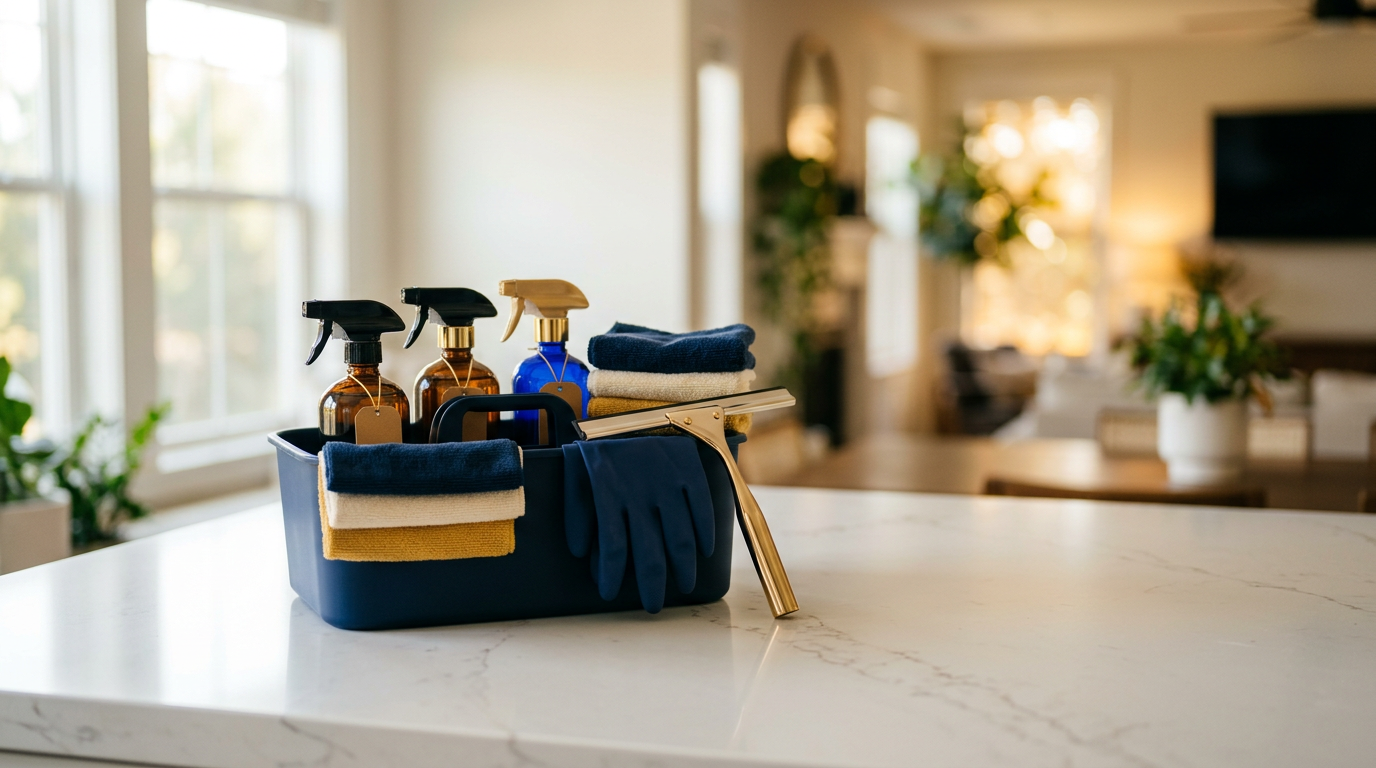
A cleaning business is one of the cheapest businesses to start. Supplies fit in a car trunk, and your first customers are often people you already know. That low cost is good news, but it also means most advice about "small business loans" is written for borrowers who need far more money than you do.
This guide covers what a cleaning startup actually costs, which funding options fit a small ask, and how to get funded with bad credit or no revenue yet. It is general information, not financial advice, and every lender and program sets its own rules.
Want a quick read on your options? Five questions, no credit pull.
Check my funding optionsWhat it actually costs to start
A basic residential cleaning setup is supplies, a vacuum, microfiber cloths, and transport you already own. Costs rise when you add general liability insurance and a surety bond, which many commercial clients require before they hire you. A vehicle, professional-grade equipment, or uniforms push the number higher, but most cleaning startups land far below what a bank considers a "real" loan.
Price your own list before looking for money. The smaller and more specific your ask, the more options you have.
Why a small ask changes the game
Banks generally do not want to make very small loans. The paperwork costs them the same as a large loan, so tiny asks get ignored. That pushes cleaning startups toward lenders built for small amounts: microlenders, CDFIs, and credit cards used carefully for equipment. The good news is that a $2,000 problem has more solutions than a $200,000 problem.
Funding options that fit
Microloans and CDFIs
Nonprofit microlenders exist for exactly this situation: a few thousand dollars for a real startup that banks will not touch. SBA microloans go up to $50,000 through community lenders, and many offer coaching alongside the money. Expect a slower process and questions about your plan.
Business credit cards for equipment
For supplies and equipment, a business credit card can make sense if you can pay it off from early jobs. It is not a substitute for a loan, and carrying a balance gets expensive fast, but as a short bridge between buying supplies and getting paid, it is a common path.
Online lenders once you have contracts
Recurring commercial contracts change everything. A lender looking at signed monthly cleaning agreements sees predictable revenue, which is what online lenders decide on. If you are still pre-revenue, this option waits until the contracts exist. For more on borrowing with bad credit specifically, see Startup Business Loans With Bad Credit.
Grants, honestly
Small business grants exist, and some target new or minority-owned service businesses. They are competitive and slow, and most cannot be counted on to launch on a schedule. Apply where you genuinely fit, but build your plan around funding you control.
Equipment financing for bigger gear
If you are going commercial and need floor machines, a van, or similar big-ticket gear, equipment financing uses the equipment itself as collateral. That can make approval easier than an unsecured loan for the same amount.
Get bonded and insured early
A surety bond protects your clients if something goes wrong, and liability insurance protects you. Together they usually cost a few hundred dollars a year for a small operation, and they do two things for funding: some lenders and grant programs ask about them, and commercial clients often require them before signing a contract. Contracts mean revenue, and revenue means you can borrow.
Land contracts before you borrow
The strongest funding application a cleaning startup can make is a signed recurring contract. Even one or two regular commercial clients turns "idea" into "business with revenue" in a lender's eyes. If you can, do your first jobs, get testimonials, and then borrow to scale, not to start.
Realistic steps before you apply
- Price your exact startup list: supplies, insurance, bond, transport, marketing.
- Get liability insurance and a surety bond if you are targeting commercial clients.
- Open a dedicated business bank account and run everything through it.
- Land your first paying customers, even residential ones, before borrowing to expand.
- Apply to microlenders and CDFIs first for small startup amounts. Keep every quote and receipt organized.
Watch out for funding traps
Be cautious of "business opportunity" packages that charge thousands upfront for a territory, training, and supplies with financing attached. Some are legitimate franchises with real disclosure documents, and some are just expensive starter kits. Read every contract, check what is actually guaranteed, and never pay an upfront fee to a lender who promises approval.
The bottom line
Cleaning startups need less money than almost any other business, which means microloans, careful credit use, and revenue from early contracts cover most launches. Get bonded and insured, land paying work first, and borrow to scale what is already working.
Related guides
This guide is general education, not financial, legal, or tax advice. AJV Ventures LLC is not a lender. Lender requirements vary, so confirm terms directly with any lender before you apply.