
Seasonal Business Loans: Covering the Slow Months Without Getting Trapped
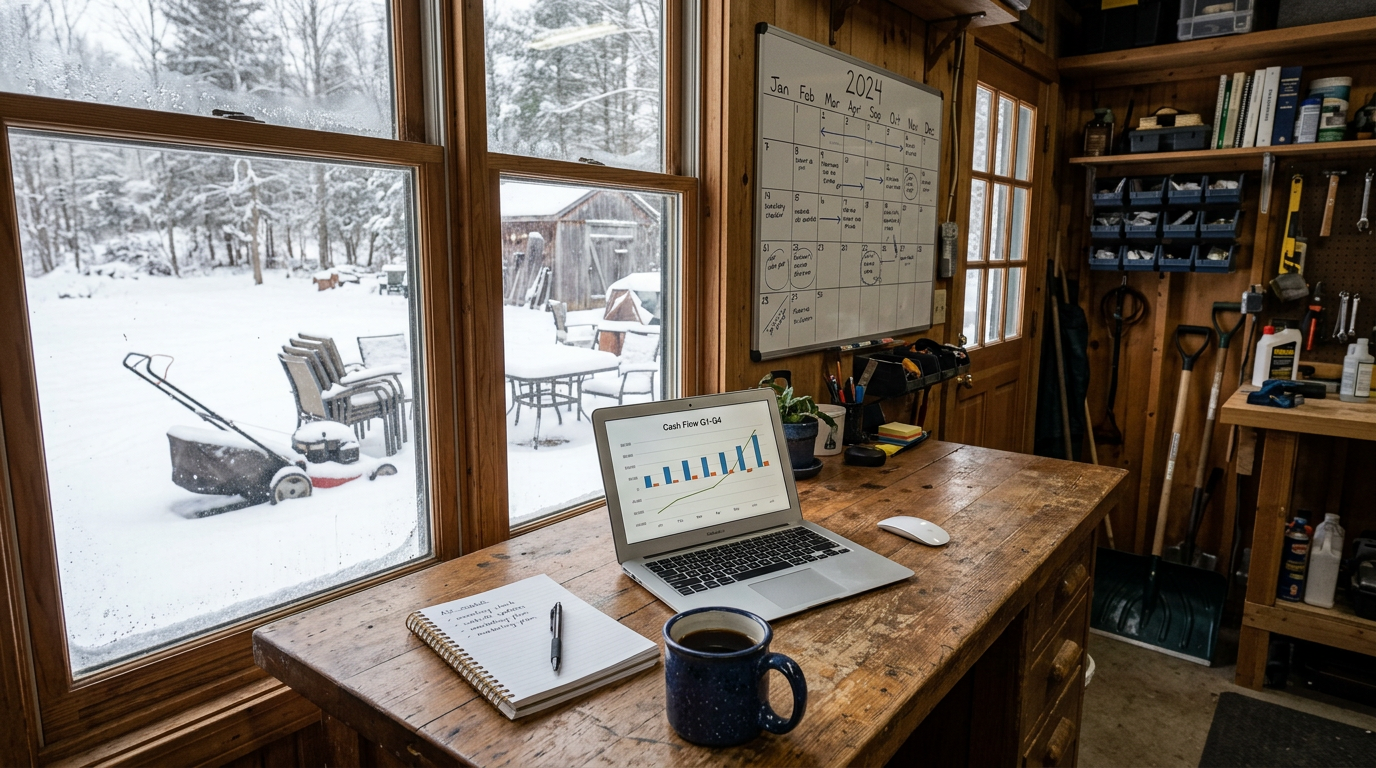
Landscaping, tourism, holiday retail, pool service, snow removal: seasonal businesses earn most of their money in a few strong months and then face a long quiet stretch. The business can be perfectly healthy and still run short on cash in February. Borrowing to bridge that gap is normal. Borrowing the wrong way is how seasonal owners get trapped.
This guide covers which funding tools fit seasonal cash flow and which ones to avoid. It is general information, not financial advice, and every lender sets its own rules.
Want a quick read on your options? Five questions, no credit pull.
Check my funding optionsWhat seasonal cash flow looks like, and why lenders get nervous
Your revenue chart looks like a mountain range: big peaks, deep valleys. But your costs do not take the season off. Insurance, rent, loan payments, and keeping key employees all continue in the slow months. Lenders see the valleys and worry you cannot cover payments when income drops, which is why seasonal businesses get extra questions during underwriting.
The fix is showing the full year, not just the peak. A lender who sees twelve months of history understands the pattern. A lender who only sees the slow season sees risk.
A line of credit is usually the right tool
For covering slow months, a revolving line of credit beats a term loan for most seasonal businesses. You draw what you need when revenue dips, pay interest only on what you use, and repay when peak season cash comes in. The line sits ready the next year without reapplying.
For the full comparison of how the two work, see Business Line of Credit vs. Term Loan. The short version: term loans give you a lump sum with fixed payments every month, which is exactly what hurts in the off-season. Lines of credit flex with your year.
Your peak-season savings are the cheapest loan
Before borrowing anything, look at what you kept from last peak season. Money you saved is a zero-interest loan to yourself with no application and no payments. Many seasoned owners treat an off-season reserve as a non-negotiable business expense, funded first out of peak profits. It is not always possible in year one, but it is the goal every year after.
Term loans for off-season equipment buys
Term loans do have a seasonal use: buying equipment in the off-season when prices and demand are lower. A landscaper buying mowers in winter or a retailer building inventory before the holidays is borrowing against a known upcoming season. Just make sure the fixed payments fit your slow-month cash flow, not just your peak-month optimism.
Why MCAs are dangerous for seasonal businesses
Merchant cash advances get repaid through daily or weekly withdrawals that do not pause when your revenue does. In peak season that can feel manageable. In the slow season, fixed withdrawals against thin revenue can drain the account fast. For seasonal businesses, this mismatch is the most common debt trap. If you are considering one, compare the true total cost against a line of credit first, and be honest about what the slow months look like.
Plan the year on paper before borrowing
The single most useful exercise is a twelve-month cash flow plan: expected revenue and costs for every month, based on last year if you have it. The plan shows you the size of the gap, which tells you how much to borrow instead of guessing. It also shows lenders you understand your own business, which is half the underwriting battle.
Realistic steps before you apply
- Build a twelve-month cash flow plan from last year's actual numbers.
- Size the borrowing to the gap the plan shows, not to the maximum offered.
- Build an off-season reserve out of peak profits wherever possible.
- Apply for a line of credit before the slow season starts, not in the middle of it.
- Keep business and personal money separate so the seasonal pattern is clear on your statements.
Watch out for funding traps
Be cautious of borrowing against peak-season revenue to cover a lifestyle the business cannot support year-round, and of stacking multiple advances or loans when one would do. Each new debt adds a fixed payment that continues through the slow months. One well-sized line of credit beats three overlapping debts every time.
The bottom line
Seasonal businesses do not have a revenue problem, they have a timing problem. A line of credit bridges the timing, peak-season savings reduce what you need to borrow, and planning the year on paper keeps the borrowing honest. Avoid fixed daily payments that ignore your seasons.
Related guides
This guide is general education, not financial, legal, or tax advice. AJV Ventures LLC is not a lender. Lender requirements vary, so confirm terms directly with any lender before you apply.