
Tow Truck Financing for a New Towing Business
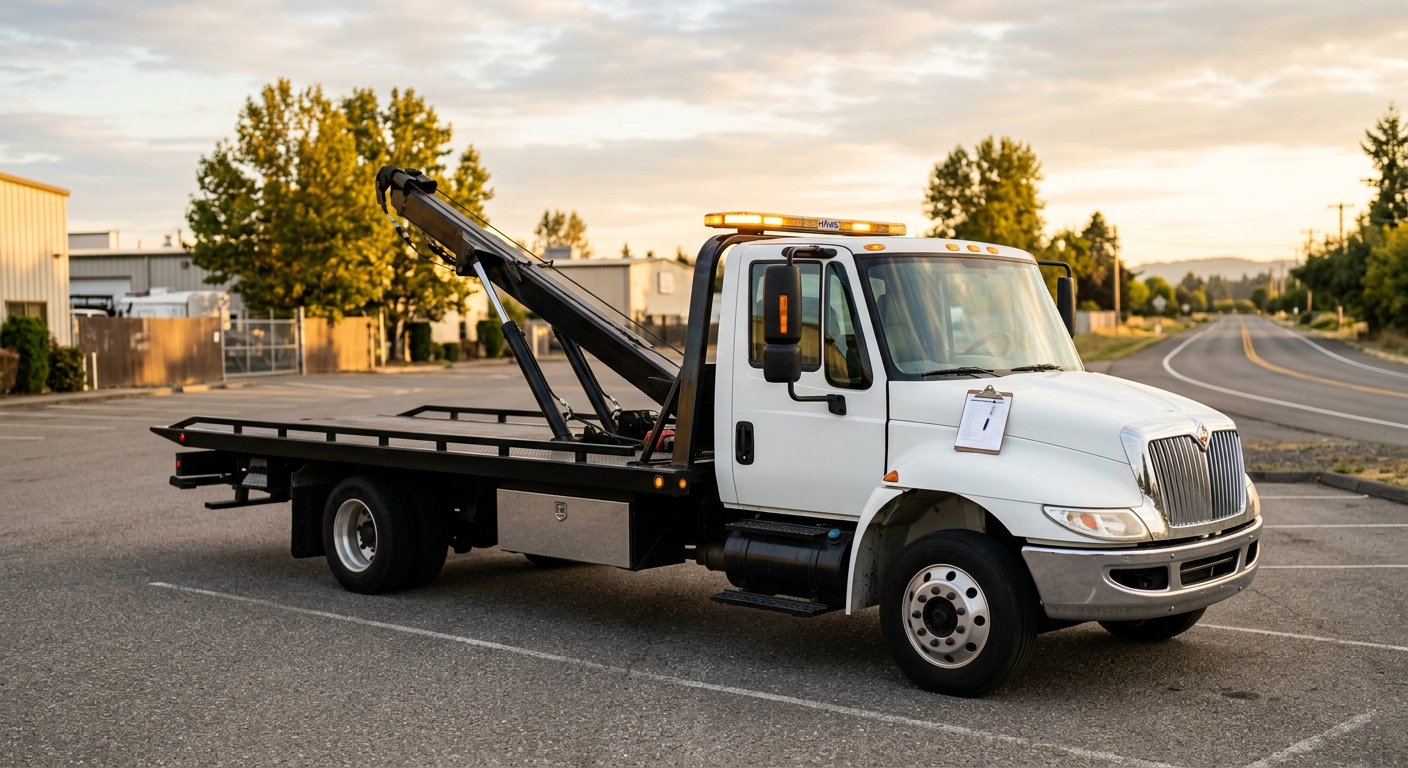
A tow truck is an expensive piece of equipment, and most new towing businesses cannot buy one outright. The good news is that the truck itself makes financing possible: lenders can secure the loan against the wrecker, which matters more than your credit file in many approvals.
This guide covers how tow truck financing works for new businesses, what lenders check, and how to approach it with bad credit or no track record. It is general information, not financial advice, and every lender sets its own rules.
Want a quick read on your options? Five questions, no credit pull.
Check my funding optionsWhy equipment financing fits towing
A wrecker holds its value reasonably well and has one clear business use, which is exactly what equipment lenders like. Because the truck is the collateral, many lenders will work with newer businesses and weaker credit than a bank would touch for an unsecured loan. For more on how collateral changes the equation, see Business Funding With No Collateral.
That said, collateral is not magic. Lenders still want a down payment, proof you can make the monthly payment, and a truck worth what you are borrowing against it.
New vs used wreckers
New wreckers come with warranties and predictable maintenance, but the payments are steep for a business with no revenue yet. Used wreckers cost far less, and a well-maintained used truck can earn just as well. Many new towing owners start used and upgrade once contracts are paying.
Whichever you choose, get an independent inspection before you buy. Lenders look at age, mileage, and condition when they value the truck, and a bad inspection report can sink the financing.
What lenders check
- Credit: bad credit does not automatically disqualify you with equipment lenders, but it usually means a bigger down payment, a shorter term, or a higher cost.
- Down payment: the single biggest factor you control. More down means less risk for the lender and a smaller monthly payment for you.
- Business plan: what services you will offer, your rates, and how you will find work.
- Contracts: agreements with motor clubs, municipalities, or auto shops for steady tow volume make your file much stronger.
- The truck: lenders verify it is worth the loan amount, which is why the inspection matters.
Insurance is part of the ask
Towing insurance is specialized and not cheap. On-hook coverage, garage liability, and cargo coverage add up, and you need them in place before the truck works its first job. Price insurance early and include it in your funding plan. Lenders expect to see it accounted for.
If your state or city requires specific coverage for police rotation or municipal contracts, get those requirements in writing before you shop for policies.
Microloans and SBA once operating
For the truck itself, equipment financing is usually the main path. But microloans and CDFIs can cover the rest of the launch: insurance deposits, initial marketing, and operating cash. SBA microloans go up to $50,000 through community lenders. After a year or more of revenue, SBA loans become realistic for a second truck or expansion.
Our sister site, Can I Get Truck Financing, has a free tool that checks funding options for trucking-related businesses, including new operations. Worth a look alongside this guide: https://www.canigettruckfinancing.com
Watch out for dealer markup on in-house financing
Some dealers offer to finance the truck themselves, which sounds convenient. The catch is that dealer-arranged financing can carry higher rates and fees than an independent equipment lender would charge for the same truck. Always get an outside quote to compare, read the full contract including every fee, and never sign under pressure on the lot.
Realistic steps before you apply
- Decide new or used, and get an independent inspection on any truck you are serious about.
- Price insurance, including any coverage your target contracts require.
- Save the largest down payment you can. It moves approval odds and monthly cost more than anything else.
- Line up work before you buy: motor club applications, shop relationships, or municipal rotation lists.
- Get quotes from independent equipment lenders, not just the dealer.
- Open a dedicated business bank account and keep every quote, inspection, and policy organized.
The bottom line
Tow truck financing works because the wrecker secures the loan. An inspected used truck, a real down payment, priced insurance, and lined-up work put a new towing business in front of lenders that understand the equipment, even with imperfect credit.
Related guides
This guide is general education, not financial, legal, or tax advice. AJV Ventures LLC is not a lender. Lender requirements vary, so confirm terms directly with any lender before you apply.