Vending Machine Financing for New Operators (Even With Bad Credit)
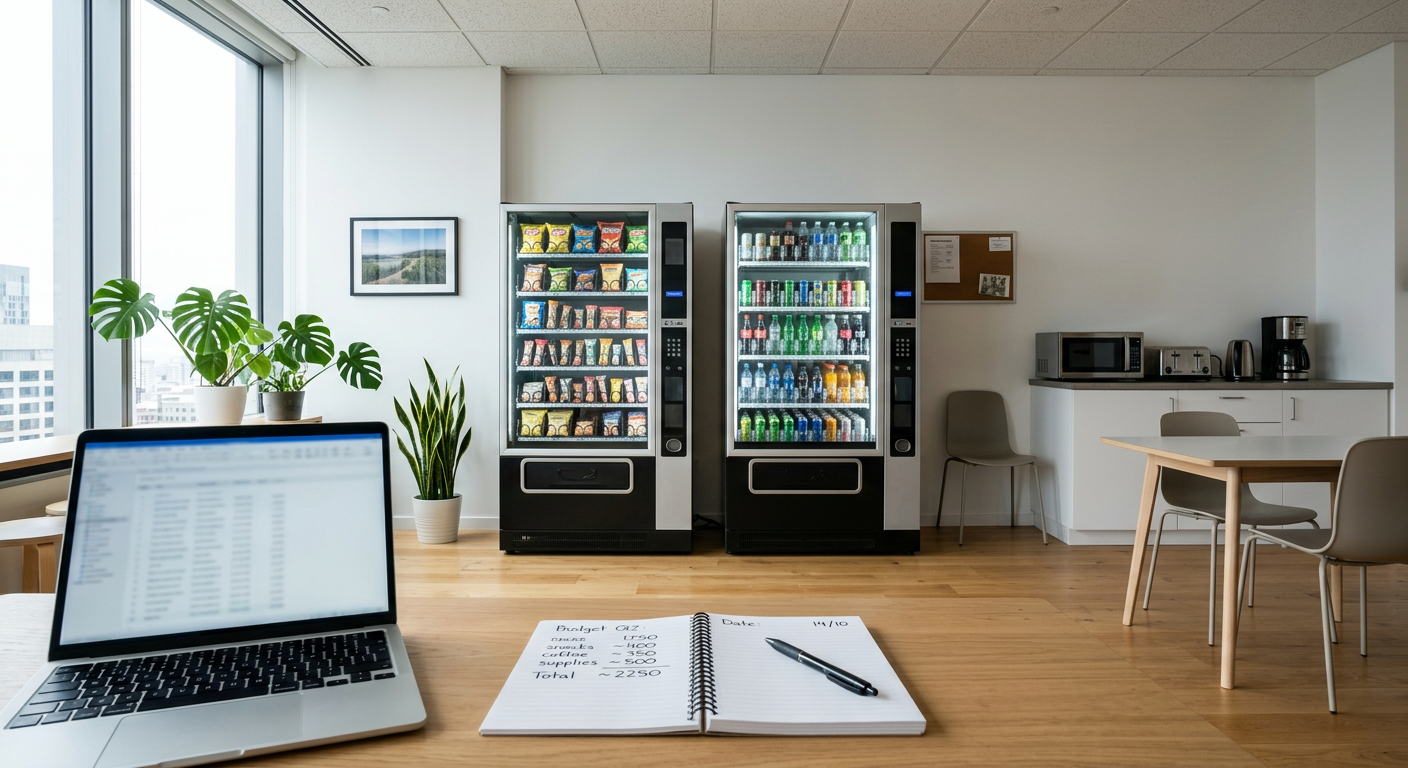
Vending is one of the friendlier businesses for bad-credit borrowers, for a simple reason: the machines themselves are worth something. A lender financing equipment that holds resale value cares less about your credit score than a lender handing you unsecured cash. That does not make funding automatic, but it puts you in a better starting position than most startups.
This guide covers how vending machine financing works, what lenders want to see, and the traps new operators fall into. It is general information, not financial advice, and every lender sets its own rules.
Want a quick read on your options? Five questions, no credit pull.
Check my funding optionsWhy vending is fundable with bad credit
Equipment financing uses the machine as collateral. If you stop paying, the lender can take the machine back and resell it. That security lowers the lender's risk, which is why equipment lenders are often more flexible on credit than banks making unsecured loans. For the full picture on borrowing without putting up outside collateral, see Business Funding With No Collateral.
New vs used machines
New machines cost more but come with warranties and modern card readers, which matter because fewer customers carry cash. Used machines cost far less upfront but may need repairs, and older machines without card readers can limit sales. Many new operators start with a mix: one or two solid machines, learned on, before expanding.
Price both options for the machine types you want. The financing math only works if you know the real cost going in.
Locations matter more than machines
A machine sitting in your garage earns nothing. Lenders and experienced operators both know that the location agreement, your written permission to place a machine in a break room, gym, or apartment building, is the real asset. Before borrowing for machines, line up locations in writing. A lender seeing signed placement agreements is looking at a business, not a shopping list.
Good locations usually pay the property owner a commission on sales. Factor that into your thinking from the start.
Equipment financing as the natural fit
For vending, equipment financing is usually the first option to explore. The machine secures the loan, terms often run a few years, and some lenders specialize in exactly this kind of deal. Compare the total cost, not just the monthly payment, and check whether the loan covers delivery and installation or just the machine itself.
Microloans for the first machines
If you are starting with one or two used machines, the amount you need may be small enough for a microlender or CDFI. SBA microloans go up to $50,000 through community lenders, and many work with first-time owners. This path is slower but cheaper than most online options.
Keep the math honest
Vending math is simple on paper: machines placed in good locations, stocked and serviced regularly. In practice, your costs include the product, commissions to location owners, repairs, fuel and time for restocking runs, and the loan payment itself. Run those numbers conservatively before you borrow. No honest guide can promise what a route will earn, because it depends entirely on your locations and how well you service them.
Realistic steps before you apply
- Decide new vs used machines and price your exact setup, including card readers.
- Get location agreements in writing before buying machines.
- Price product, commissions, repairs, and restocking time into your plan.
- Open a dedicated business bank account and keep machine income separate.
- Apply to equipment lenders first, then microlenders for smaller amounts. Read the full terms of any offer.
Watch out for seller financing traps
Some machine sellers push overpriced machine-and-location bundles with their own in-house financing. The locations may be weak, the machines overpriced, and the financing terms worse than what an independent lender would offer. Verify every location yourself, price the machines independently, and get your own financing quote before signing anything a seller hands you.
The bottom line
Vending machines make decent collateral, which is why equipment financing is the natural starting point even with bad credit. Line up real locations first, buy machines you have priced independently, and borrow against a plan you have done the math on.
Related guides
This guide is general education, not financial, legal, or tax advice. AJV Ventures LLC is not a lender. Lender requirements vary, so confirm terms directly with any lender before you apply.